First: Is Doing Multiple Pilates Exercises on the Same Leg "Bad"? (It Depends—Here’s Why)
The short answer: It’s not inherently "bad," but it can be risky for knees if done incorrectly or excessively. Pilates focuses on controlled, intentional movement, so the issue isn’t the "same leg" focus itself—it’s how your muscles (and equipment) support that focus, and how long you go without giving the leg a break.
Let’s break down the key factors that make consecutive same-leg exercises risky for knees:
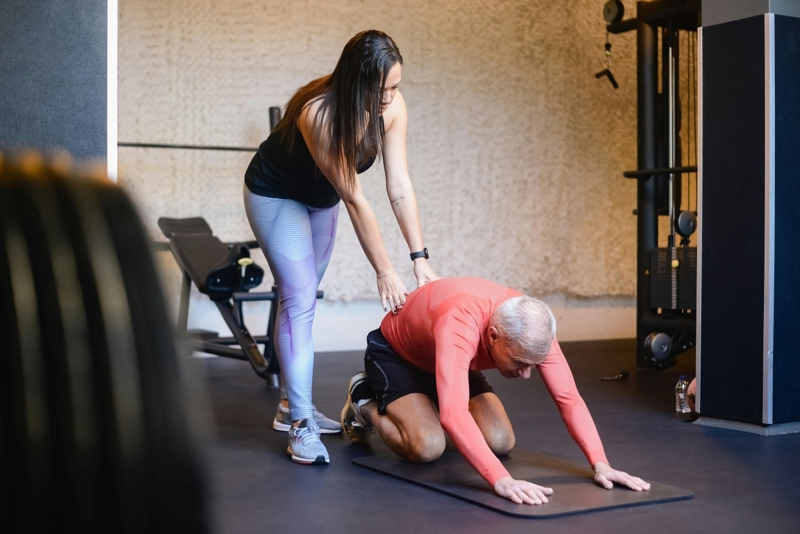
1. Muscle Fatigue Leads to Poor Form (The #1 Knee Risk)
Your legs rely on stabilizing muscles (quads, hamstrings, glutes, and even your core) to keep your knees aligned during Pilates. When you do 3, 4, or more exercises on the same leg in a row, these muscles fatigue quickly. Once they’re tired, you’ll unconsciously compensate—like letting your knee cave inward (valgus collapse), shifting weight incorrectly, or overarching your lower back.
This poor form puts extra stress on the knee joint’s ligaments (like the ACL) and cartilage, which can lead to pain, inflammation, or long-term wear. For example: If you do 10 reps of single-leg bridges, 15 reps of side leg lifts, and 8 reps of clamshells on your right leg before switching to your left, your right glutes and quads will likely tire by the third exercise—putting your right knee at risk.
2. Overloading the Knee Joint Without Recovery
Even with perfect form, repeated stress on the same knee without a break can overload the joint. Pilates movements like lunges, single-leg presses, or reformer leg circles place controlled pressure on the knee—this is good for building strength when balanced, but too much consecutive pressure can irritate the joint, especially if you have pre-existing knee sensitivity.
3. When It’s Actually "Safe" (Yes, There Are Exceptions)
Consecutive same-leg exercises aren’t always a problem! It’s safe if:
You keep the sequence short (2 exercises max per leg before switching).
You prioritize quality over quantity (e.g., 8 slow, controlled reps vs. 15 rushed ones).
You’re targeting small, stabilizing muscles (not large, weight-bearing ones) — for example, 2 sets of ankle circles on one leg before switching is low-risk, as it doesn’t stress the knee.
Why Your Knee Hurts After Same-Leg Pilates (Common Culprits)
If you’re feeling knee pain post-workout, it’s likely not just the "same leg" sequence—it’s a combination of fatigue, form, and possibly equipment setup. Here are the most common triggers:
Glute/Quad Fatigue: Weak or tired glutes (especially the glute medius) can’t keep your knee aligned, leading to valgus collapse.
Reformer Spring Tension Too High: If you’re using a reformer with springs that are too resistant, you’ll strain to complete reps—compromising form and stressing your knee.
Improper Foot Placement: For example, pointing your toes too far inward or outward during leg exercises can misalign the knee joint.

 +86-18378303768
 2019-07-17
 Back to list


 +86-18378303768