
 +86-18378303768
First: Is Reformer Pilates Too Much for a Beginner? (Spoiler: No—It’s Often Accessible!)
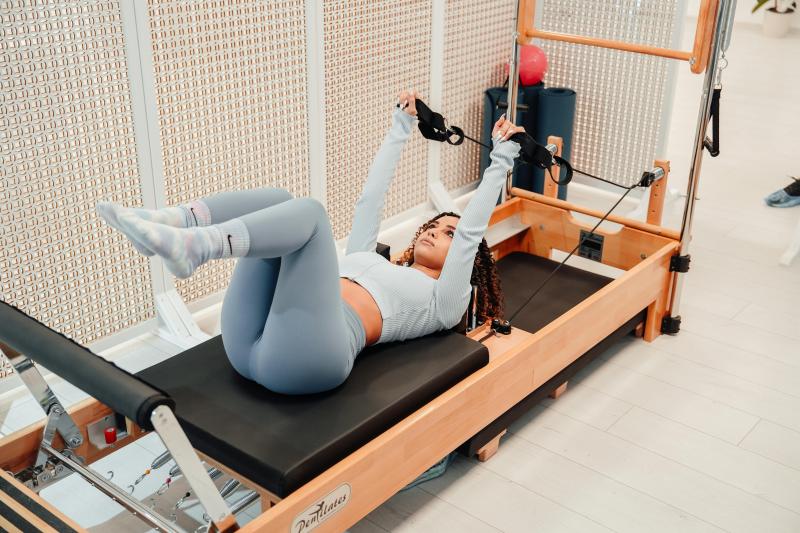
1. The Reformer Provides Built-In Support
2. Movements Are Gentle on Joints
3. Instructors Tailor Reformer Workouts to Beginners
Mat vs. Reformer for Pilates Beginners: Pros & Cons
Starting with Mat Pilates: Pros
Low Cost & Convenient: Mat classes are often cheaper than reformer (since no equipment is needed), and you can practice at home with just a Pilates mat—perfect for beginners on a budget or who prefer working out from home.
Builds Core Foundation Fast: Mat work relies entirely on bodyweight, so it forces you to engage your core and stabilizing muscles from day one. This builds a strong foundation that will serve you well if you later try reformer.
Starting with Mat Pilates: Cons
No Built-In Support: Beginners with balance issues or weak cores may struggle with mat movements (e.g., single-leg stretches) and risk poor form.
Can Feel Repetitive or Challenging: Bodyweight-only exercises can feel monotonous for some, and progress may feel slower than with reformer (since you can’t adjust resistance easily).
Harder on Joints: As mentioned, mat work can put more pressure on wrists, knees, and hips—especially for those with pre-existing discomfort.
Starting with Reformer Pilates: Pros
Extra Support & Safety: The reformer’s equipment reduces the risk of injury and helps you learn proper form faster (as noted earlier).
Customizable Resistance: Spring tension can be adjusted to make movements easier or harder, so you can progress at your own pace. This keeps workouts engaging and helps you see results faster.
Variety of Movements: The reformer allows for a wider range of movements than mat work, which keeps classes fun and prevents boredom—great for beginners who need motivation to stick with a routine.
Starting with Reformer Pilates: Cons
More Expensive: Reformer classes typically cost 20-50% more than mat classes, and you can’t practice at home without investing in a reformer (which is pricey).
Equipment Learning Curve: While instructors will teach you how to use the reformer, there’s still a small learning curve to get comfortable with the carriage, straps, and springs.
Less Convenient for Home Practice: Without a reformer at home, you’ll be limited to studio classes—unlike mat Pilates, which you can do anywhere.
Expert Recommendation for 2026: Which Should You Choose?
Choose Reformer If: You have joint sensitivities, struggle with balance, want extra support, or prefer a more engaging, customizable workout. It’s also a great choice if you’re willing to invest in studio classes to get a strong start.
Choose Mat If: You’re on a budget, want to practice at home, or prefer to learn the basics of Pilates without equipment first. Mat work is also ideal if you’re already relatively fit and have good core strength.
Try Both!: Many beginners take 1-2 mat classes to learn the fundamentals, then switch to reformer to build on that foundation. Or, you can alternate between mat and reformer to get the best of both worlds.
Tips for Pilates Beginners (Whether You Choose Mat or Reformer)
Find a Reputable Studio with Beginner-Focused Classes: Look for studios that offer "Pilates 101," "Beginner Reformer," or "Foundations" classes. Read reviews to ensure instructors are patient and good at teaching newbies.
Communicate with Your Instructor: Let them know you’re a beginner, any injuries or limitations you have, and if something feels too hard. Instructors are there to help—don’t be afraid to ask for modifications.
Focus on Breath & Form Over Reps: Pilates is about quality, not quantity. Mastering proper breath (inhale to prepare, exhale to engage) and form will help you see results faster and avoid injury.
Invest in the Right Gear: For mat, a thick, non-slip Pilates mat is essential. For reformer, grip socks will keep you safe (most studios require them). If you’re a studio owner looking for beginner-friendly reformers, Mieux B020-Oak Commercial Pro Reformers are ideal—they feature 8-level adjustable resistance (perfect for all skill levels) and an ergonomic design that supports proper form.
Be Patient with Yourself: Pilates is a practice, not a race. It may take 4-6 weeks to feel more comfortable and see results (like better posture, stronger core, or less back pain). Stick with it!


 +86-18378303768