
 +86-18378303768
Why the Reformer = “Real Pilates” Myth Is Spreading (It’s Not Just Social Media)
Boutique Reformer-Only Studios Dominate the Market: In many cities, the most accessible Pilates options are reformer-only boutiques (think Club Pilates, Lagree, and local boutique studios). These studios do an amazing job of making Pilates approachable—but they rarely (if ever) teach mat work, so new clients have no exposure to the full system.
Social Media Prioritizes Reformer Aesthetics: Reformer Pilates is visually striking—the machine, the dynamic flows, the studio setups make for great Reels/TikToks/Instagram posts. Mat Pilates, by contrast, is low-key: a mat on the floor, no fancy equipment, slow intentional moves. It doesn’t go viral the same way, so it’s invisible to new practitioners scrolling their feeds.
New Clients Associate “Equipment” with “Effective”: For many people new to fitness, equipment = a more intense, more “worth it” workout. They assume the reformer’s springs and carriage make it a “better” Pilates practice than mat work, which they see as “just floor exercises” (a misconception that couldn’t be further from the truth).
January New Year’s Resolutioners Seek “Quick Wins”: Reformers feel like a fun, novel workout—perfect for NYE resolutions—while mat work can feel intimidating (it requires raw core strength and body awareness with no machine support). New clients gravitate to what feels easy and exciting, not what’s foundational.
Fellow Instructors: We’re All Seeing This Shift—Here’s How We’re Addressing It
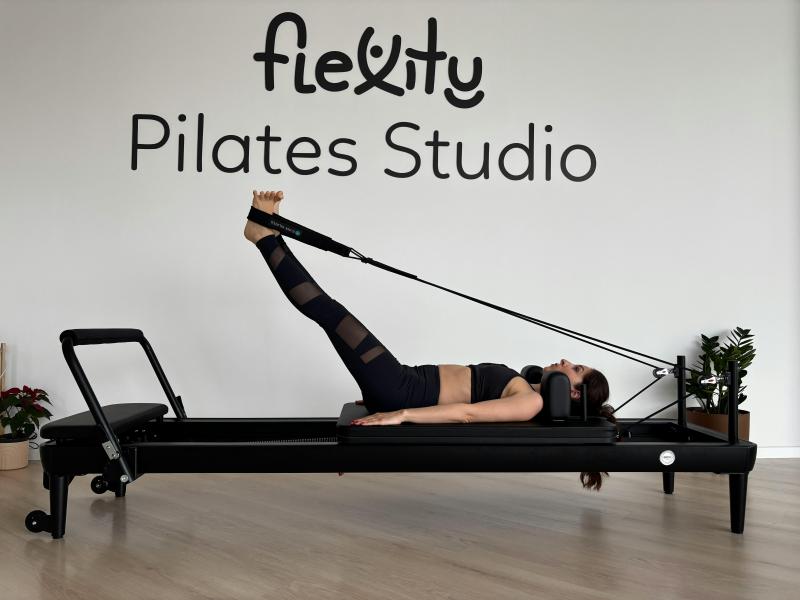
1. Weave Education Into Class (Don’t Do a Pre-Class Lecture)
Example 1 (Teaching the Hundred): “This hundred is the first exercise Joe Pilates taught every student—on the mat. The reformer has a hundred variation, but it’s built on this mat foundation. Every spring, every strap on the reformer is just a tool to challenge the core strength you’re building right here, on the floor.”
Example 2 (Teaching a Roll-Up): “Notice how we’re focusing on spinal articulation here—this is the backbone of all Pilates, reformer included. When you do a roll-up on the reformer, the carriage supports your movement, but the control and spine work come directly from this mat exercise.”
Pro Tip: Keep these comments short (1–2 sentences) and tie them to the movement the client is doing right now. It’s memorable because it’s experiential, not theoretical.
“I used to do pre-class lectures and no one remembered a word. Now I drop little education snippets as we move, and clients actually ask questions later! Last week, a new client said, ‘I never realized the reformer hundred was just this mat move with springs’—that’s the win. Education sticks when it’s part of the practice, not a separate thing.”
2. Show (Don’t Tell) the Reformer-Mat Connection
Example: If teaching mat glute bridges, say: “This bridge is exactly what you do on the reformer with your feet on the footbar—except on the mat, there’s no carriage to support you, so your glutes and core have to work harder. The reformer bridge builds on the strength you’re building right here.”
If you don’t have a reformer on hand, just describe the connection: “When you do side-lying leg lifts on the reformer, the strap adds resistance, but the hip alignment and glute engagement are identical to this mat side-lying leg lift. The mat is where you master the form; the reformer is where you challenge it.”


 +86-18378303768