
 +86-18378303768
Quick Answer: Why Your Toes Are Bruising
Top 3 Causes of Toe Bruising in Pilates
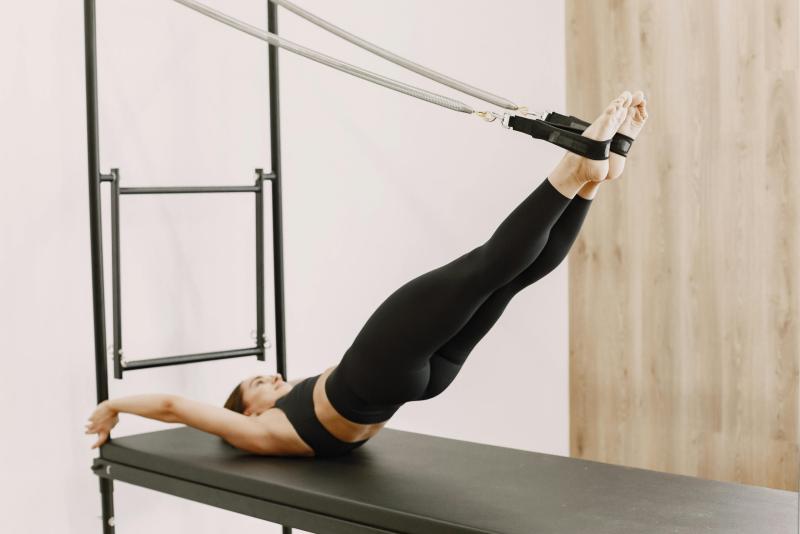
- Improper Footwear (Most Common!)
If you’re wearing bare feet, thin socks, or non-slip socks on the reformer (especially with the footbar), the hard plastic/metal footbar or carriage can rub or press into your toes during moves like footwork, planks, or seated leg work.
Even gentle pressure on the toe base (from the footbar) repeated over 5 classes will cause bruising.
- Form Issues: Toes Hyperextending or Gripping Too Hard
Pilates requires foot engagement, but over-gripping with your toes (curling them under or hyperextending) can pinch the toe base against the mat, reformer footbar, or your own shoe.
Common in moves like hundreds, side-lying leg work, or kneeling on the reformer—you might unconsciously grip with your toes to stabilize, leading to bruising.
- Equipment Props or Alignment
If you’re using a small foot wedge, block, or mat under your feet that’s too thin/hard, the pressure on the ball of your foot can shift to the base of your second toe.
Rare, but misalignment (e.g., feet too far forward/back on the reformer) can also pinch toes during sliding or carriage movements.
Fixes to Stop Bruising (Start Today!)
1. Gear Adjustments (Immediate Relief)
Wear Pilates-specific socks with toe caps: Look for socks with a reinforced toe box (e.g., Tucketts, Gripjoy) or toe covers—they add a barrier between your toes and the reformer/mat.
Avoid bare feet on the reformer: Even if the studio allows it, thin socks or Pilates socks prevent direct pressure on bruised toes.
Check your shoes: If wearing sneakers, ensure the toe box is wide (no tight compression) and there’s no seam rubbing the base of your second toe.
2. Form Fixes (Fix the Root Cause)
Stop gripping with your toes! Instead of curling them, keep your toes flat and relaxed on the mat/footbar. Imagine your toes are “glued” to the floor—only engage your foot (arch/ankle), not your toes.
Align your feet properly: For reformer work, place your feet hip-width apart on the footbar, with your toes pointing straight ahead (not turned in/out). This reduces pressure on the base of the second toe.
Modify high-impact moves: Skip or modify moves that put direct pressure on your toes (e.g., kneeling on the reformer with toes tucked) until the bruising heals—ask your instructor for alternatives.
3. Recovery Tips (Speed Up Healing)
Ice the bruised area: Apply an ice pack (wrapped in a cloth) for 10–15 minutes, 2–3 times a day, to reduce swelling.
Wear open-toed shoes at home: Let your toes breathe—avoid tight shoes that press on the bruise.
Avoid high-impact footwork temporarily: Skip classes with lots of footwork (e.g., reformer footwork, mat foot circles) for 2–3 days to let the bruise heal.
When to See a Doctor
The bruising spreads or gets worse after 3 days.
You feel sharp pain (not just soreness) when moving your toes.
The area swells up or feels warm (sign of infection).


 +86-18378303768