
 +86-18378303768
Why Reformer Often Eases Bunion Limitations (But Mat Works Too)
Reformer Pilates: Key Bunion-Friendly Advantages
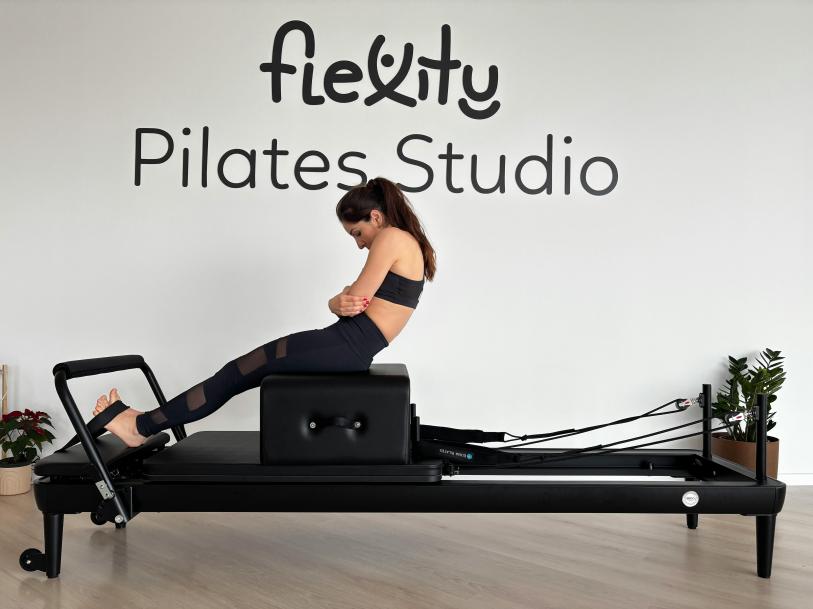
Controlled foot positioning with props: The reformer’s footbar lets you adjust height, angle, and foot placement to avoid full toe extension and reduce pressure on the bunion. For example:
Use a towel/foam wedge under the heel to shift weight away from the ball of the foot during footwork.
Angle the footbar slightly outward to keep your big toe (and bunion) from hyperextending.
Use the reformer’s straps to support the foot during lunges/planks—no need to bear full weight on the ball of the foot.
Reduced weight-bearing demand: Many reformer movements (supine, prone, seated) let you practice Pilates principles with less foot pressure than standing mat lunges or planks. You can still teach the core, upper body, and posterior chain work that makes Pilates effective—without straining your bunion.
Modifications are built into the equipment: Reformer springs, carriage resistance, and attachments (like the short box) let you adapt exercises to your body’s needs without compromising the Pilates method. For example, a modified lunge on the reformer uses the carriage for support, taking pressure off the ball of the foot.
Mat Pilates: Still Viable—But Requires More Intentional Modification
Weight-shifting: Using a block under the heel during planks/lunges to take pressure off the bunion.
Non-weight-bearing variations: Prioritizing supine, side-lying, and seated mat work (the foundation of Pilates!) instead of standing or weight-bearing moves.
Prop use: Using a folded towel under the arch of the foot to reduce bunion pressure during seated exercises.
Real-World Insights from Instructors Who Teach with Bunions
Instructor 1 (8-year classical reformer instructor, bunion on left foot):
“I teach 90% reformer now because the footbar and props let me modify every movement my students need—including my own. I used to struggle with mat lunges, but on the reformer, I can do a modified footbar lunge with a wedge under my heel and still teach the exercise perfectly. Certification was never an issue—my training taught me to modify, and that’s what clients care about most. I now specialize in teaching students with foot pain, and my bunion makes me better at it.”
Instructor 2 (5-year mat + reformer instructor, moderate bunions):
“I teach both, but I lean into mat for students who prefer it or have limited access to reformer. My bunion limits my standing mat work, so I stick to supine mat work for my own practice. The key is to not let your limitation stop you from teaching the core Pilates principles—centering, control, breath. I tell my students with bunions: ‘I do the same modifications you do, so I know exactly what feels good.’ That connection is priceless.”
Instructor 3 (3-year contemporary Pilates instructor, post-bunion surgery recovery):
“Surgery made my foot limitations worse for a year, but I still taught mat and reformer. I focused on upper body and core work for my own practice, and used the reformer’s Cadillac/short box for supported lower body work. The biggest myth is that you have to ‘do every exercise perfectly’ to teach—you don’t. As an instructor, your job is to adapt the method to your students’ bodies, including your own.”
Key Takeaway: Bunions Are a Modification Challenge, Not a Barrier
Critical Modifications for Bunions (Mat & Reformer)
Related cases
Contact Us
Tel:+8615818656741 Whatsapp:+8618378303768 Email:info@mieuxpilates.com
Website column
Our strengths
-
Material
Mieux Pilates uses premium materials

-
Transportation
Mieux Pilates provides global transportation

-
Warranty
Our Pilates products have a 3-year warranty.

Friendship link:
All rights reserved by mieuxpilates
Guangdong ICP No. 12037206
technical support:Mieux Pilates +86-18378303768